Knee Pain While Walking or Climbing Stairs: Causes and Treatment Options in Greater Noida
Knee pain during walking or climbing stairs can considerably limit one’s everyday activities. Knee Pain Treatment in Greater Noida depends on the cause, severity of symptoms, activity level, and overall knee function. While the pain from time to time may be reduced by proper rest and sport, regular discomfort requires a thorough examination and treatment. Assessment and physiotherapy.
Why Does Knee Pain Occur While Walking or Climbing Stairs?
Walking and climbing stairs put additional load on the knee joint. If the muscles around the knee and hip are weak, movement patterns are affected, or the joint is irritated, these activities can trigger pain.
Patellofemoral pain is a common cause of pain around or behind the kneecap. It may become more noticeable while climbing or descending stairs, squatting, running, or sitting with the knee bent for a long time.
Other possible causes include knee osteoarthritis, tendon problems, ligament injuries, meniscus injuries, previous trauma, muscle weakness, and sudden increases in physical activity. Identifying the underlying cause is important before choosing a treatment approach.
For more information, direct chat with us on WhatsApp
Common Symptoms of Knee Pain
Knee problems can cause different symptoms depending on their underlying cause. Common symptoms include:
- Pain while walking or climbing stairs
- Pain around or behind the kneecap
- Stiffness after sitting for a long time
- Swelling around the knee
- Clicking or grinding sensations
- Difficulty squatting or kneeling
- Reduced knee movement
- Weakness or a feeling of instability
The location, duration, and pattern of pain can provide useful information during an assessment. However, symptoms alone cannot confirm the exact cause.
Knee Pain Treatment in Greater Noida: How Is It Evaluated?
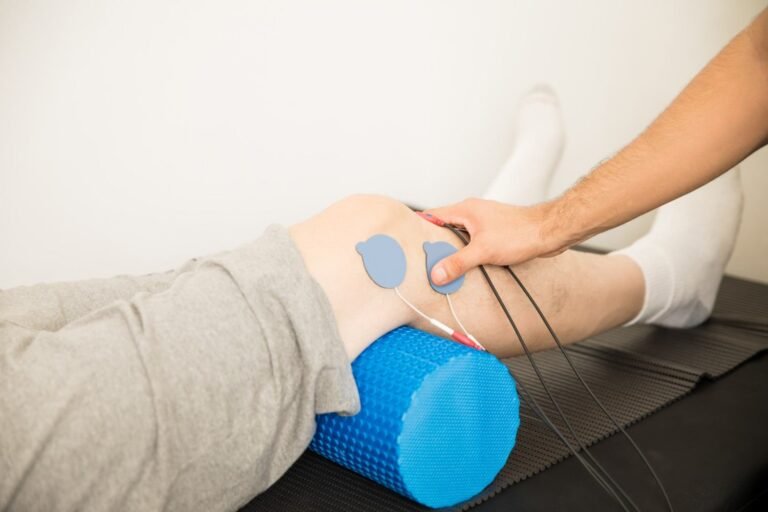
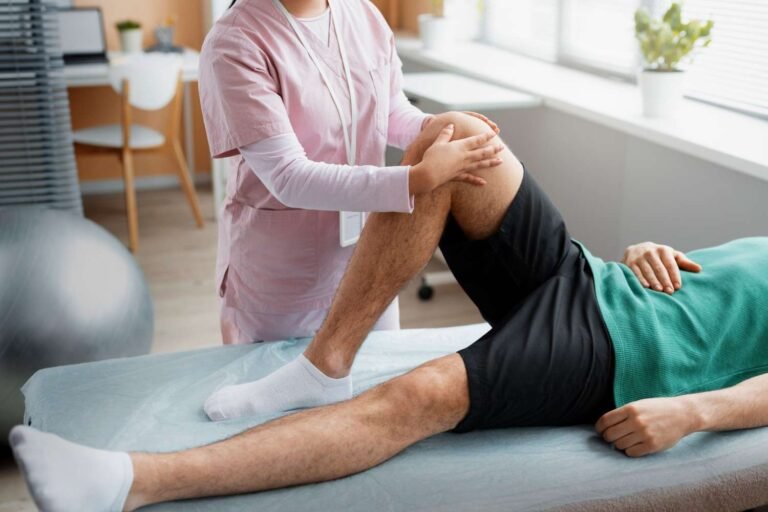
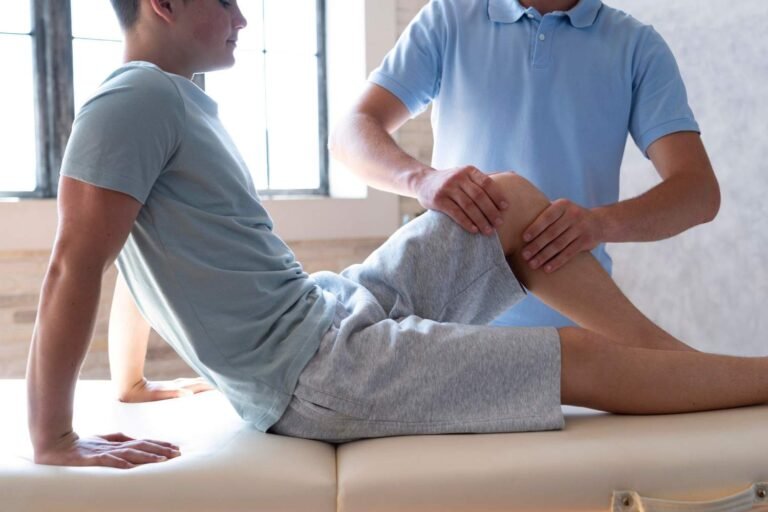
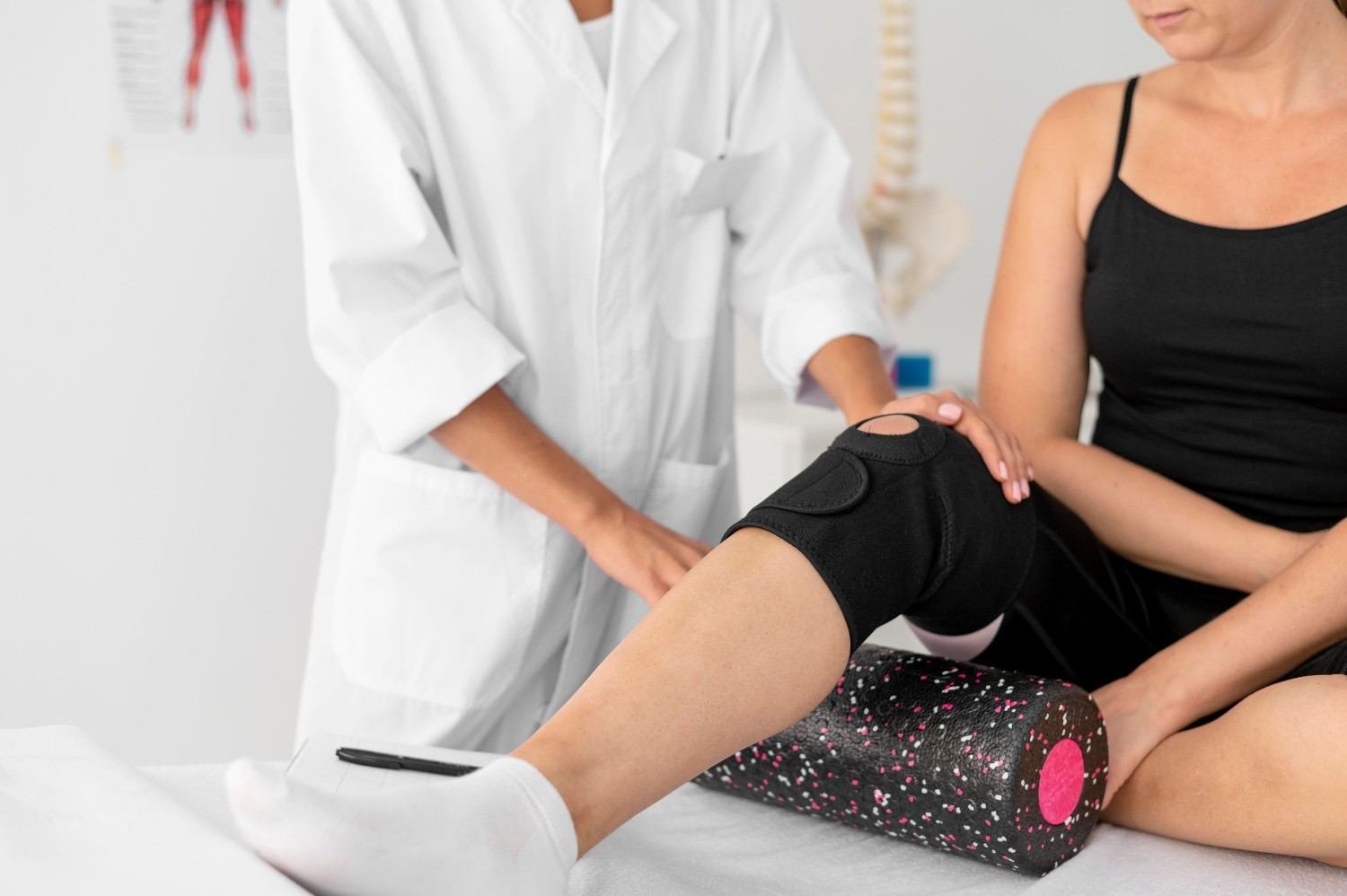
A physiotherapist may start by conducting a thorough assessment of your symptoms, mobility, muscle strength, flexibility, and any restrictions in your movements. They may also examine your gait and how your knees bend when squatting or climbing up and down stairs.
Not every knee problem requires imaging. Depending on the symptoms and the medical history, a doctor may be contacted if an acute injury, significant edema, severe pain, or a suspicion of an underlying joint condition is present.
This assessment helps create an individualized Knee Pain Treatment in Greater Noida plan rather than applying the same treatment to every patient.
Physiotherapy for Knee Pain
Physiotherapy can support recovery from many types of knee pain. Treatment is usually planned with the patient’s symptoms, physical state, degree of activity, and functional requirements in mind. This can make Knee Pain Treatment in Greater Noida more targeted and practical for everyday activities.
Strengthening Exercises
Weak thigh and hip muscles can affect lower-limb movement and knee stability. A structured strengthening programme can improve muscle function and support better control during walking, squatting, and stair climbing.
Flexibility and Mobility Exercises
Limited flexibility or joint mobility can affect normal movement. Appropriate exercises are often beneficial in restoring mobility and function as well as making activity easier and more comfortable.
Activity Modification
Rest is not always advocated for knee pain. Modification of activities that exacerbate symptoms may be advised. As symptoms improve, activity can usually be increased gradually under professional guidance.
Functional Rehabilitation
Physiotherapy may also focus on movements used in everyday life. This can include walking, standing, sitting, squatting, and climbing stairs. Improving control of movements will enable the patient to resume daily activities with more confidence.
Best Doctor for Knee Pain in Greater Noida: When Should You Consult One?
Finding the Best Doctor for Knee Pain in Greater Noida can be important when knee pain continues, repeatedly returns, or starts affecting daily activities. A professional examination is needed to assess whether the difficulties are caused by arthritis, injury, muscle malfunction, tendon issues, or any other reasons.
When choosing the Best Doctor for Knee Pain in Greater Noida, consider a professional who evaluates your symptoms, medical history, movement, and functional limitations before recommending treatment. Depending on the cause, treatment may involve physiotherapy, exercise-based rehabilitation, medical management, or further specialist evaluation.
Physiotherapy is considered to be a beneficial intervention to address movement problems related to knee disorders through a properly developed treatment programme. It will systematically work on the strength, flexibility, and range of motion, as well as the balance and functionality of the knee joint.
When Should You Seek Knee Pain Treatment?
You should consider professional assessment if knee pain lasts for several weeks, keeps returning, or interferes with walking, exercise, work, or daily activities. Early evaluation can help determine whether Knee Pain Treatment in Greater Noida is appropriate and which approach may best suit your condition.
Prompt medical attention is recommended after a significant knee injury or when the knee becomes severely swollen, hot, or extremely painful. Difficulty putting weight on the affected leg or a sudden loss of normal knee movement should also be evaluated.
How Can You Prevent Knee Pain From Getting Worse?
Some simple habits can support healthy knee function:
- Increase exercise intensity gradually.
- Maintain a healthy body weight.
- Strengthen the thigh and hip muscles.
- Avoid sudden changes in physical activity.
- Use proper exercise techniques.
- Take suitable breaks during repetitive activities.
- Follow a structured rehabilitation programme when recommended.
- Do not ignore persistent or recurring knee pain.
Regular physical activity, when performed appropriately, can help maintain muscle strength, mobility, balance, and overall joint function.
Conclusion
Walking or climbing stairs with knee pain can have multiple causes, so treatment is individualized, and Knee Pain Treatment in Greater Noida may consist of a combination of strengthening and mobilization, activity modification, movement pattern retraining, and rehabilitative exercises, depending on diagnosis.
If knee pain is affecting your walking, stair climbing, exercise, or daily routine, professional assessment can help determine the appropriate next step. At Kalyani Health and Rehab Centre, individualized physiotherapy can support better mobility, strength, and functional recovery.
Frequently Asked Questions
1. Why does my knee hurt when I climb stairs?
Knee pain when climbing stairs can be caused by patellofemoral pain, arthritis, muscular dysfunction, tendon pathology, or previous injuries. An assessment can help identify the likely cause.
2. Can physiotherapy help with knee pain?
Yes. Physiotherapy can involve a program of progressive strengthening and mobility exercises, modification of activity, and functional restoration of the knee joint if indicated.
3. Is knee pain while walking always caused by arthritis?
No. Knee pain can have many causes, including overuse, injuries, muscle weakness, tendon problems, patellofemoral pain, and arthritis.
4. Should I stop exercising if my knee hurts?
Not necessarily. The appropriate level of activity depends on the cause and severity of your symptoms. Activities may need to be modified rather than stopped completely.
5. When should I seek professional help for knee pain?
Consider professional assessment if pain persists, repeatedly returns, or interferes with normal activities such as walking, exercising, or climbing stairs.
Visit https://share.google/n9PihlVtRpnm3oGpt today and take the first step toward a pain-free life with the Best Physiotherapy Clinic & Rehabilitation Centre in Greater Noida