What Are the Benefits of Personalised Paralysis Physiotherapy at Home in Greater Noida?
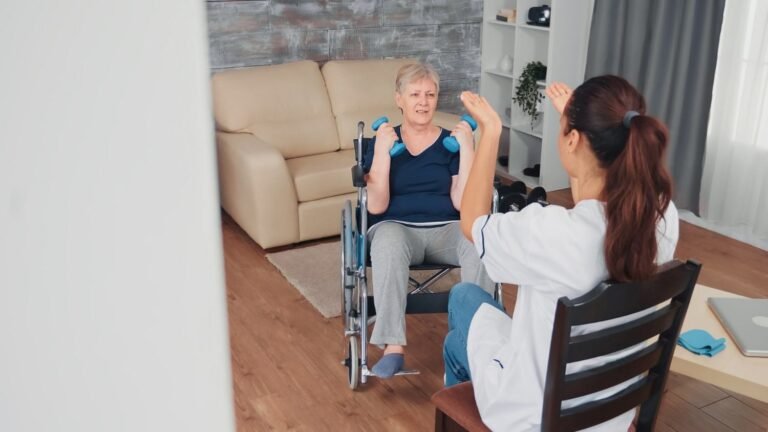
Paralysis can significantly affect a person’s mobility, independence, and quality of life. Simple activities such as walking, sitting, standing, or holding objects may become challenging. However, timely rehabilitation and consistent physiotherapy can support functional improvement. Paralysis Physiotherapy at home in Greater Noida offers patients an opportunity to receive personalised rehabilitation in a familiar and comfortable environment. At Kalyani Health and Rehab Centre, home-based physiotherapy focuses on individual needs, physical abilities, and recovery goals.
With professional guidance and regular practice, patients can work towards improving muscle strength, balance, coordination and everyday movement.
For more information, direct chat with us on WhatsApp
Understanding Paralysis and the Importance of Physiotherapy
Paralysis refers to the loss of muscle movement in one or more parts of the body. It may occur due to stroke, spinal cord injuries, brain injuries, or certain neurological conditions.
Depending on the underlying cause, paralysis can affect one side of the body, both legs or all four limbs.
Physiotherapy plays an important role in rehabilitation. It helps patients maintain joint flexibility, improve muscle function, and practise essential movements. A structured rehabilitation programme can also help reduce complications associated with prolonged immobility.
1. Personalised Treatment Based on Individual Needs
Every paralysis patient has different physical challenges and recovery requirements. Therefore, a standard exercise routine may not be suitable for everyone.
Paralysis Physiotherapy at home in Greater Noida allows physiotherapists to develop treatment plans according to the patient’s condition, movement limitations, and rehabilitation goals.
Personalised sessions may include:
- Gentle range-of-motion exercises.
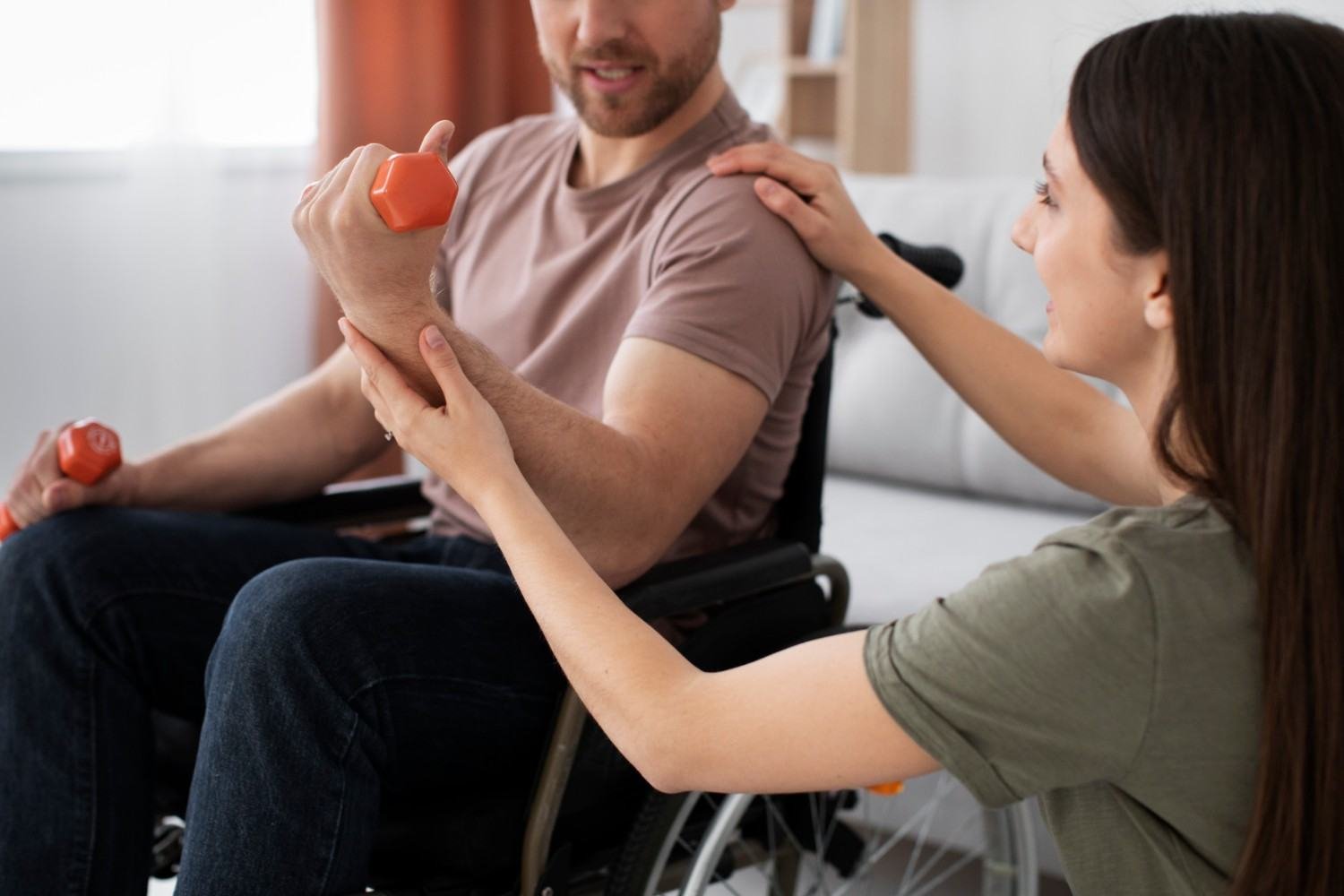
- Muscle strengthening activities.
- Balance and coordination training.
- Posture correction exercises.
- Functional movement practice.
The treatment plan can be adjusted as the patient’s abilities and needs change.
2. Comfort and Convenience of Home-Based Physiotherapy
Travelling to a rehabilitation centre can be difficult for patients with limited mobility. It may also cause physical discomfort and fatigue.
Home-based physiotherapy removes the need for frequent travel. Patients can receive professional rehabilitation without leaving their homes.
Choosing Paralysis Physiotherapy at home in Greater Noida can offer several practical benefits:
- No regular travel arrangements.
- Comfortable surroundings.
- Flexible therapy scheduling.
- Reduced physical stress during transportation.
- Easier involvement of family members.
This arrangement can make it easier for patients to follow their rehabilitation routine consistently.
3. Improved Muscle Strength and Joint Flexibility
Paralysis can reduce muscle activity and lead to stiffness. When affected muscles and joints remain inactive for long periods, movement may become increasingly difficult.
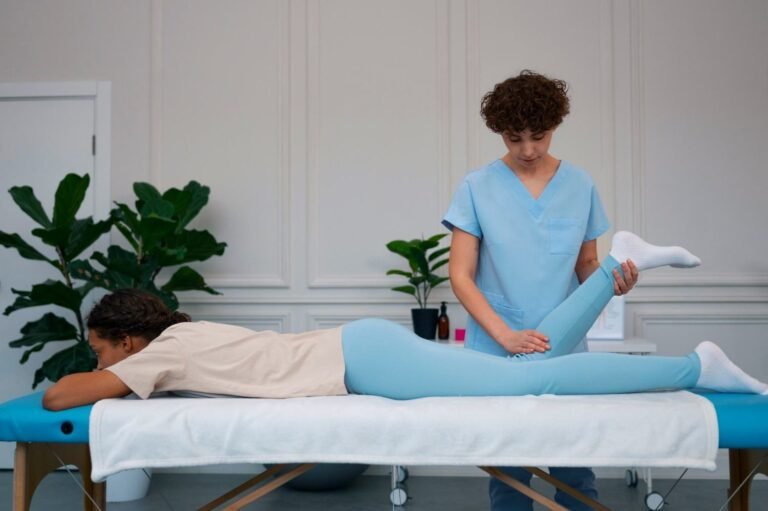
Physiotherapy uses suitable exercises to maintain joint mobility and support muscle function.
Depending on the patient’s condition, therapy may involve passive movements, active-assisted exercises and strengthening activities.
Regular sessions can help improve flexibility, support circulation, and reduce the risk of complications related to prolonged immobility.
4. Better Balance, Coordination and Mobility
Balance and coordination problems are common among people recovering from neurological injuries or strokes.
These difficulties can increase the risk of falls and make everyday activities challenging.
A structured Paralysis Physiotherapy at home in Greater Noida programme may include:
- Sitting balance exercises.
- Supported standing practice.
- Weight-shifting activities.
- Walking and gait training.
- Coordination exercises.
These activities help patients practise controlled movements and gradually develop confidence during daily activities.
Progress depends on the severity of paralysis, underlying condition, and individual response to rehabilitation.
5. Personal Attention and Family Involvement
Home-based rehabilitation provides an opportunity for physiotherapists to understand the patient’s daily environment.
They can assess movement challenges within the home and suggest practical modifications when needed.
Family members can also learn how to support safe positioning, prescribed exercises, and daily activities.
However, caregivers should follow professional instructions. Incorrect lifting, positioning, or exercise techniques may cause discomfort or injury.
6. Support for Greater Independence in Daily Activities
Paralysis can affect everyday tasks such as dressing, bathing, eating, and moving between different positions.
Physiotherapy focuses on improving functional abilities through repetitive and goal-oriented practice.
Depending on the patient’s condition, rehabilitation may include:
- Bed mobility training.
- Sitting and standing practice.
- Transfer training.
- Walking exercises.
- Functional movement activities.
The aim is to help patients develop greater independence and participate more comfortably in daily life.
Why Choose Kalyani Health and Rehab Centre?
Choosing an appropriate rehabilitation provider is important for consistent and structured recovery support.
Kalyani Health and Rehab Centre offers home physiotherapy services designed around individual rehabilitation requirements.
The approach focuses on understanding each patient’s condition, setting realistic goals, and providing suitable exercises under professional supervision.
Whether a patient requires support after a stroke, neurological injury, or another condition causing paralysis, a personalised rehabilitation plan can help address specific movement challenges.
Conclusion
Paralysis recovery requires patience, professional guidance and consistent rehabilitation. Personalised physiotherapy can help patients work towards better muscle function, joint flexibility, balance and mobility.
Paralysis Physiotherapy at home in Greater Noida provides the convenience of receiving rehabilitation in familiar surroundings while allowing treatment to focus on individual needs. With structured care from Kalyani Health and Rehab Centre and appropriate family support, patients can work towards improving their functional abilities and quality of life.
Frequently Asked Questions (FAQs)
1. What is paralysis physiotherapy at home?
It is a rehabilitation service in which a physiotherapist provides exercises and movement training at the patient’s home to address mobility limitations caused by paralysis.
2. How does home physiotherapy help paralysis patients?
It can help improve muscle function, joint flexibility, balance, coordination, and the ability to perform everyday activities.
3. When should paralysis physiotherapy begin?
The timing depends on the underlying cause and the patient’s medical stability. Rehabilitation should begin when the treating medical team considers it safe.
4. How often should a paralysis patient receive physiotherapy?
The frequency depends on the patient’s condition, physical abilities, and recovery goals. A physiotherapist can recommend a suitable schedule.
5. Can paralysis patients regain their ability to walk?
Some patients may regain walking ability through rehabilitation, while others may require walking aids or assistance. Outcomes depend on the cause and severity of paralysis.
6. Why choose Paralysis Physiotherapy at home in Greater Noida?
Home-based physiotherapy offers convenience, personalised attention, and rehabilitation in a familiar environment, making regular therapy easier for many patients.
Visit https://share.google/n9PihlVtRpnm3oGpt today and take the first step toward a pain-free life with the Best Physiotherapy Clinic & Rehabilitation Centre in Greater Noida