How Do Physiotherapy Treatments in Sector Alpha II, Greater Noida Improve Strength, Flexibility and Mobility?
Introduction
Muscle stiffness, joint pain and limited movement can make everyday activities difficult. Simple tasks like walking, climbing stairs, bending or lifting objects may become uncomfortable. Physiotherapy can help address these problems through structured exercises and rehabilitation techniques. Choosing the right Physiotherapy in Sector Alpha II Greater Noida can help individuals improve muscle strength, flexibility and overall mobility with professional support.
Physiotherapy is useful for people recovering from injuries, managing chronic pain or dealing with age-related movement difficulties. It also helps patients regain physical confidence after surgery or prolonged inactivity.
At Kalyani Health and Rehab Centre, physiotherapy focuses on individual needs and functional recovery. A suitable treatment plan can help patients work towards better movement, improved strength and greater independence in daily activities.
For more information, direct chat with us on WhatsApp
What Are the Different Types of Physiotherapy Treatments?
Physiotherapy includes several treatment approaches. Each method addresses specific physical problems and rehabilitation goals.
A professional assessment helps determine which techniques are appropriate for the patient’s condition.
1. Therapeutic Exercise
Therapeutic exercises help improve muscle strength, joint movement and physical endurance. These exercises are selected according to the patient’s abilities and limitations.
They may include stretching, strengthening, balance training and controlled movement exercises. Regular practice can help improve physical function and support long-term mobility.
2. Manual Therapy
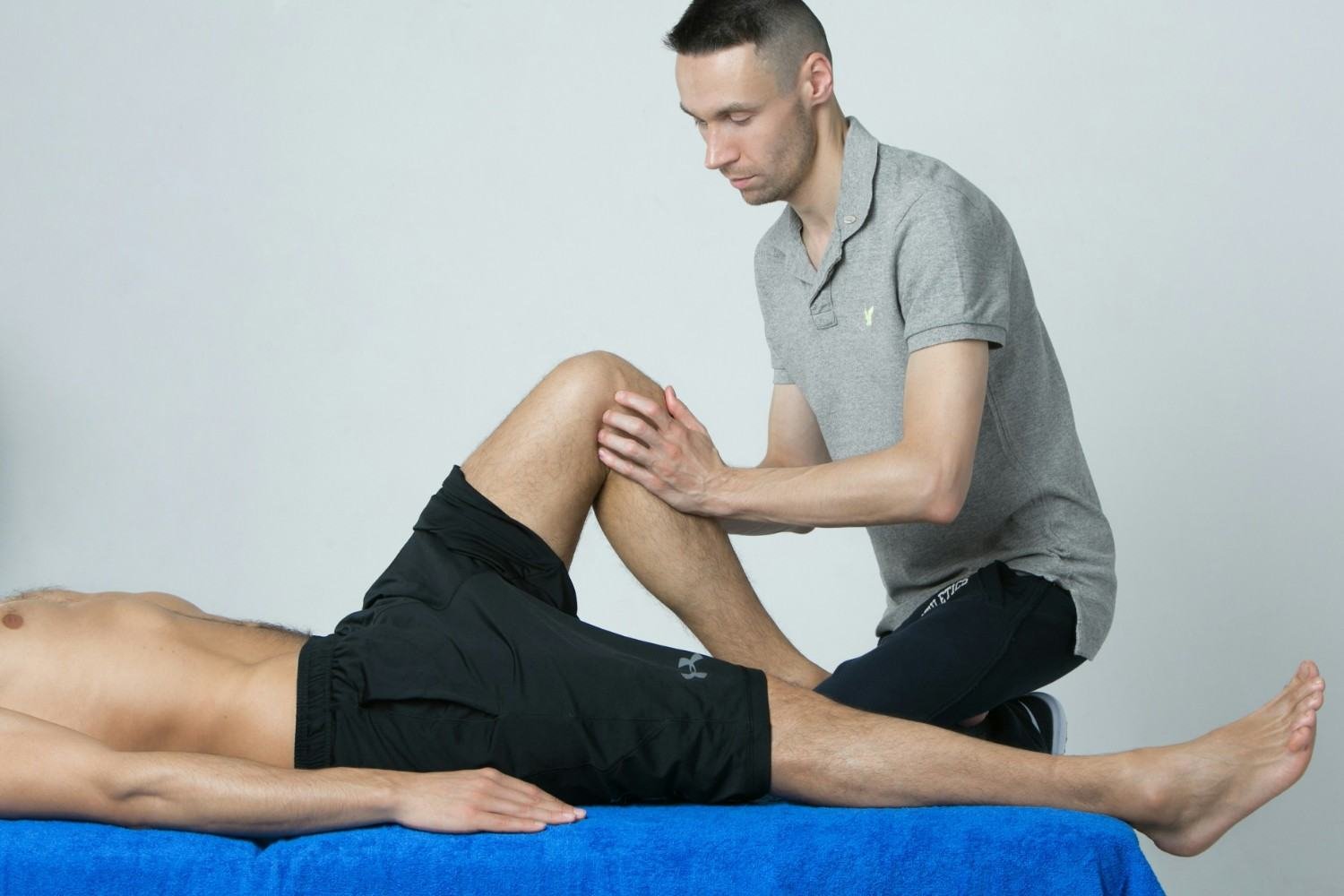
Manual therapy involves hands-on techniques performed by a trained physiotherapist. These techniques may help improve joint movement, reduce stiffness and support muscle relaxation.
The treatment approach depends on the patient’s condition. It may be useful for selected cases of neck pain, back pain and joint stiffness.
3. Electrotherapy
Electrotherapy uses controlled electrical stimulation as part of certain rehabilitation programmes. Depending on the equipment and clinical requirement, it may help manage pain or support muscle activation.
It is generally used alongside other physiotherapy methods rather than as a replacement for active rehabilitation.
4. Stretching and Flexibility Exercises
Muscle tightness can restrict movement and affect posture. Stretching exercises help improve flexibility and maintain the normal range of motion.
A physiotherapist recommends suitable stretches based on the affected muscles and joints. Correct technique is important to avoid unnecessary strain.
How Does Physiotherapy Improve Muscle Strength?
Muscle weakness can develop due to injury, inactivity, surgery or certain medical conditions. It may affect balance, posture and the ability to perform routine activities.
Physiotherapy in Sector Alpha II Greater Noida can help address muscle weakness through progressive strengthening exercises.
Common approaches include:
- Resistance exercises to improve muscle strength.
- Bodyweight exercises to develop functional strength.
- Core strengthening to support posture and stability.
- Controlled movements to improve muscle coordination.
- Balance exercises to support safer movement.
The intensity of exercises is increased gradually according to the patient’s progress.
Stronger muscles provide better support to joints. They also help individuals perform daily activities with greater control and confidence.
How Do Physiotherapy Treatments Improve Flexibility?
Flexibility allows muscles and joints to move comfortably through their normal range. Reduced flexibility can cause stiffness and make certain movements difficult.
Physiotherapy uses targeted techniques to improve movement and reduce muscle tightness.
Stretching Exercises
Gentle stretching helps lengthen tight muscles and improve flexibility. These exercises may focus on the neck, shoulders, back, hips and legs.
Joint Mobility Exercises
Joint mobility exercises encourage controlled movement. They may help patients experiencing stiffness after an injury, surgery or prolonged inactivity.
Posture Correction
Poor posture can place additional stress on muscles and joints. Physiotherapists may recommend posture correction exercises and movement adjustments to reduce unnecessary strain.
Consistent practice helps patients maintain flexibility and develop healthier movement habits.
Which Conditions Can Benefit from Physiotherapy?
Physiotherapy can support rehabilitation for several conditions affecting muscles, joints and physical movement.
1. Back and Neck Pain
Back and neck pain may develop due to prolonged sitting, poor posture, muscle strain or spinal conditions.
Physiotherapy may include strengthening exercises, stretching, mobility training and posture correction. These methods can help improve movement and manage discomfort.
2. Knee and Joint Pain
Knee stiffness and joint discomfort can make walking, standing and climbing stairs challenging.
A physiotherapist may recommend strengthening exercises, flexibility training and balance activities. The treatment plan depends on the underlying cause of the pain.
3. Sports Injuries
Sports injuries can affect muscles, ligaments and joints. Rehabilitation helps restore strength, flexibility and coordination.
A gradual exercise programme can support recovery and prepare individuals to return to physical activities safely.
4. Post-Surgical Rehabilitation
After surgery, patients may experience weakness, stiffness and restricted movement.
Physiotherapy helps restore functional movement through exercises recommended according to the surgical procedure and healing stage.
5. Neurological Conditions
Certain neurological conditions can affect muscle control, balance and coordination.
Physiotherapy may help improve functional movement and support greater independence through condition-specific rehabilitation.
Why Is a Personalized Physiotherapy Plan Important?
Every patient has different physical needs. Therefore, the same treatment approach may not work equally well for everyone.
A personalized physiotherapy programme considers the patient’s medical history, symptoms, muscle strength, flexibility and movement limitations.
A typical treatment process includes:
- Initial Assessment: The physiotherapist evaluates pain, posture, strength and mobility.
- Treatment Planning: Suitable exercises and therapeutic techniques are selected.
- Guided Rehabilitation: Patients perform exercises under professional supervision.
- Progress Monitoring: Movement and strength improvements are assessed regularly.
- Exercise Modifications: The programme is adjusted according to recovery and changing needs.
Choosing Physiotherapy in Sector Alpha II Greater Noida with an individualized treatment approach can help patients follow a more structured rehabilitation routine.
How Can Physiotherapy Help Older Adults Maintain Mobility?
Age-related changes can affect muscle strength, joint flexibility and balance. These changes may increase difficulty with walking, standing and other everyday activities.
Physiotherapy can help older adults maintain physical function through suitable exercises.
Common rehabilitation goals include:
- Improving leg and core strength.
- Maintaining joint flexibility.
- Supporting balance and coordination.
- Improving walking ability.
- Reducing movement-related limitations.
- Encouraging safe physical activity.
Exercises should be adjusted according to the individual’s health, fitness and mobility level. Regular supervision can help patients perform movements correctly.
Why Choose Kalyani Health and Rehab Centre?
Selecting a suitable rehabilitation centre is an important step towards better physical health. Patients should look for professional assessment, individualized treatment and appropriate rehabilitation support.
Kalyani Health and Rehab Centre provides physiotherapy and rehabilitation services for individuals experiencing pain, weakness and movement difficulties.
The centre focuses on:
- Personalized Physiotherapy: Treatment plans based on individual physical conditions and recovery goals.
- Professional Assessment: Evaluation of movement, flexibility, strength and functional limitations.
- Rehabilitation Support: Treatment approaches for back pain, neck pain, joint problems and sports injuries.
- Home Physiotherapy: Home-based physiotherapy services for patients who find travelling difficult.
- Functional Recovery: Exercises designed to improve everyday movement and physical independence.
Dr. Pankaj Singh and the rehabilitation team focus on helping patients work towards better mobility and functional recovery.
For individuals seeking Physiotherapy in Sector Alpha II Greater Noida, Kalyani Health and Rehab Centre offers rehabilitation support based on individual requirements.
Conclusion
Physiotherapy plays an important role in improving muscle strength, flexibility and mobility. It can help individuals manage physical discomfort, recover from injuries and regain movement after surgery. The right combination of therapeutic exercises, stretching and rehabilitation techniques can support gradual functional improvement.
Choosing professional Physiotherapy in Sector Alpha II Greater Noida helps patients receive appropriate assessment and a treatment plan suited to their physical needs. Kalyani Health and Rehab Centre focuses on personalized rehabilitation to help individuals improve movement, maintain strength and return to daily activities with greater confidence.
Consistent exercise, professional supervision and regular progress assessment are important parts of a successful rehabilitation programme.
Frequently Asked Questions (FAQs)
1. What physiotherapy treatments help improve muscle strength?
Strengthening exercises, resistance training, core exercises and functional movement training can help improve muscle strength. The selection depends on the patient’s condition.
2. Can physiotherapy improve flexibility?
Yes. Stretching, joint mobility exercises and posture correction may help improve flexibility and reduce muscle stiffness.
3. How long does physiotherapy take to show results?
Recovery time varies according to the condition, severity of symptoms and consistency of treatment. Some patients notice gradual improvements within a few sessions, while others require longer rehabilitation.
4. Is physiotherapy helpful for knee and back pain?
Yes. Physiotherapy may help manage knee and back pain through strengthening, stretching, mobility exercises and movement education.
5. Can older adults benefit from physiotherapy?
Yes. Appropriate physiotherapy can help older adults maintain strength, balance, flexibility and mobility. Exercises are adjusted according to their physical abilities.
6. Does Kalyani Health and Rehab Centre provide home physiotherapy?
Yes. Home physiotherapy services are available for patients who need rehabilitation support but have difficulty travelling to the centre.
7. How often should I attend physiotherapy sessions?
The recommended frequency depends on the patient’s condition, treatment goals and recovery progress. A physiotherapist can suggest a suitable schedule after assessment.
Visit https://share.google/n9PihlVtRpnm3oGpt today and take the first step toward a pain-free life with the Best Physiotherapy Clinic & Rehabilitation Centre in Greater Noida